
Polished concrete is one of the most durable flooring options available, but like any concrete surface, it can still crack under certain conditions. Understanding why cracks happen and how to reduce the risk helps property owners across Adelaide protect their floors and avoid costly repairs.
Vision Grind and Polish has worked with many concrete floors across Adelaide, and we understand the most common causes of cracking and how to minimise them through proper preparation and installation.
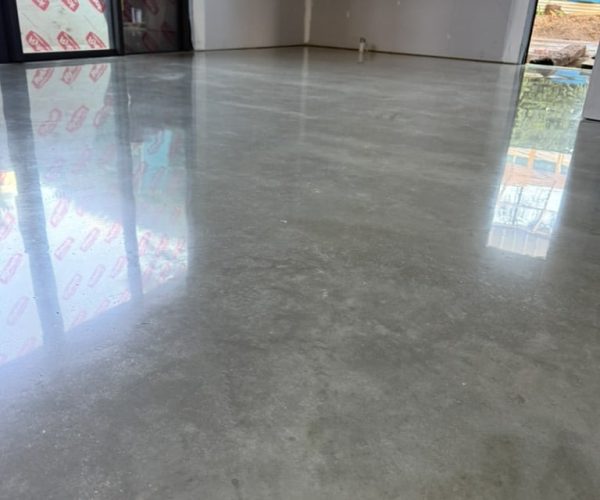
Why Polished Concrete Develops Cracks
Concrete naturally shrinks as it cures. This creates internal stress that can lead to cracking. While polishing strengthens the surface, it doesn’t change the way the concrete slab behaves underneath.
Movement in the ground is one of the most common causes. When the soil beneath the slab expands, dries out, or shifts, the concrete moves with it. Adelaide’s reactive clay soils are known for this, especially during dry summers and wetter periods.
Poor installation can also lead to cracking. If the slab wasn’t prepared properly, reinforced correctly, or given enough time to cure, problems can show up later, even if the surface has been polished.
Heavy loads or impacts can also cause cracks. Dropping equipment or placing weight in one area can create pressure that the concrete can’t handle.
Temperature changes also play a role. Over time, concrete expands and contracts, and this movement can create stress, especially if it hasn’t been allowed for during construction.
Common Types of Cracks in Concrete Floors
Understanding the type of crack helps you decide how serious it is and what to do next.
- Hairline cracks - small, fine lines that are usually cosmetic
- Settlement cracks - caused by uneven movement in the slab
- Control joint cracks - planned cracks that help manage movement
- Structural cracks - wider cracks that may need repair
How Proper Concrete Preparation Helps Reduce Cracking
Cracks can’t always be avoided, but good preparation makes a big difference.
A stable, well-prepared base reduces movement in the slab. Reinforcement such as steel mesh or fibres helps spread loads and control how cracks form.
Control joints are also important. These are built into the slab to guide where cracking happens, making it more predictable and easier to manage.
Allowing enough time for the concrete to cure is critical. If this process is rushed, the slab is more likely to crack later.
In most cases, cracks are reduced through proper preparation, correct curing, and planning for movement from the start.
Does Polishing Prevent or Cause Cracks?
Polishing does not stop cracks from forming in the concrete slab. It improves the surface, but it doesn’t prevent movement underneath.
The polishing process can sometimes make small cracks more visible. This doesn’t mean polishing caused the problem. It simply reveals what was already there.
Densifying treatments used during polishing make the surface harder and more resistant to wear, but they don’t fix structural issues in the slab.
When done properly, polishing does not cause cracking. However, poor workmanship or overly aggressive grinding can create surface damage, which is why experience matters
Repairing Cracks in Polished Concrete
How cracks are repaired depends on their size and cause.
Small cracks can often be filled with resin or epoxy to stabilise the surface. Larger cracks may need to be cut and sealed so they can handle minor movement without getting worse.
In more serious cases, stitching methods can be used to strengthen the slab across the crack.
After repairs, the surface can be ground and polished again to improve the finish. Some cracks may still be slightly visible, depending on their size.
What to Do If Your Polished Concrete Floor Has Cracks
If you notice cracks in your floor, the first step is working out whether they are minor or a sign of a bigger issue.
A professional assessment can identify the cause and help decide whether the crack needs repair or can simply be monitored.
Fixing problems early is always easier and more cost-effective. Small cracks are much simpler to deal with before they become larger issues.
Vision Grind and Polish assesses concrete floors across Adelaide and provides clear advice on the best way to manage cracking based on your floor and how it is used.