
If you are considering epoxy flooring in Adelaide, one of the most common questions is how long it will last. Epoxy is known for durability, but performance depends on several important factors including traffic levels, surface preparation, system thickness and environmental exposure.
When installed correctly and matched to the right application, epoxy flooring can provide many years of reliable performance across residential, commercial and industrial settings in South Australia.
This guide explains what influences lifespan, what Adelaide conditions mean for durability, and how to maximise the performance of your epoxy floor.
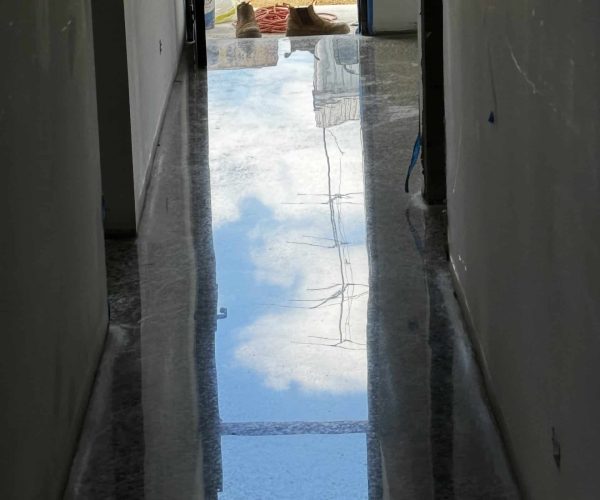
Average Lifespan of Epoxy Flooring
In Adelaide conditions, professionally installed epoxy flooring typically performs within the following ranges:
- Residential garages - 15 to 20 years under normal vehicle use
- Commercial spaces - 10 to 15 years depending on foot traffic levels
- Industrial warehouses - 8 to 12 years depending on machinery use, turning movements and load intensity
These timeframes assume proper installation and reasonable maintenance. Extremely heavy traffic, poor slab condition or exposure to aggressive chemicals can shorten these ranges.
It is also important to understand that epoxy flooring is not a single product. Different systems vary in thickness, chemical formulation and protective topcoats. A thin DIY coating will not perform the same as a professionally installed multi-layer system designed for commercial or industrial use.
What Determines How Long Epoxy Flooring Lasts?
Several key factors influence durability and long-term performance.
Surface Preparation
Preparation is the single most important factor in lifespan.
Concrete must be mechanically ground to create the correct surface profile. This process removes contaminants, opens the concrete pores and allows the epoxy to bond securely. Without adequate preparation, coatings can peel or delaminate long before they should.
Moisture testing is also essential. Excess moisture vapour within the slab can create pressure that causes blistering or lifting over time. Professional testing ensures the slab is suitable before installation begins.
System Thickness
Epoxy systems vary in build thickness depending on their intended use.
- Thin residential coatings are suited to light vehicle traffic
- Medium-build systems are appropriate for retail and commercial environments
- High-build industrial systems are designed for forklifts, pallet jacks and heavy equipment
Thicker systems generally provide greater impact resistance and wear tolerance. Selecting the correct thickness for the environment directly influences lifespan.
Traffic and Load Conditions
Light foot traffic in a residential garage produces far less wear than constant forklift movement in a warehouse.
Heavy loads, sharp turning tyres and dropped tools create concentrated stress. In commercial and industrial environments, selecting a system engineered for those loads is critical to long-term durability.
UV Exposure
Adelaide’s strong sunlight can affect epoxy systems if UV-stable topcoats are not used. Areas exposed to direct sunlight benefit from protective finishes that reduce yellowing and surface degradation.
Maintenance Practices
Although epoxy flooring is considered low maintenance, simple care extends lifespan.
Regular sweeping removes grit that can scratch the surface. Promptly cleaning chemical spills prevents long-term staining or surface damage. Periodic inspection allows minor wear to be addressed before it becomes more significant.
How Adelaide’s Climate Influences Epoxy Performance
Adelaide experiences hot summers, dry conditions and occasional heavy rainfall events. These environmental factors influence flooring systems over time.
Heat
Garage slabs and external concrete surfaces can reach high temperatures during summer. Professionally selected epoxy systems are formulated to remain stable in elevated heat conditions.
Lower-grade products may soften, lose gloss or show surface wear more quickly when exposed to sustained heat.
Temperature Fluctuations
Concrete expands and contracts with temperature changes. Properly installed epoxy systems accommodate minor slab movement without cracking or separating from the substrate.
Moisture
Although Adelaide is generally dry, moisture can still exist within concrete slabs. Moisture testing before installation ensures vapour transmission will not compromise adhesion in the future.
When the correct system is chosen and installed professionally, epoxy performs reliably across Adelaide conditions.
Residential vs Commercial Lifespan Differences
Usage intensity significantly affects how long epoxy flooring lasts.
Residential Garages
Most residential garages see moderate vehicle movement and limited mechanical stress. When installed correctly, these floors can remain in strong condition for many years.
Decorative flake systems are common in garages because they provide added texture, improve slip resistance and disguise minor wear patterns that occur over time.
Commercial Spaces
Retail and showroom environments experience consistent foot traffic. While epoxy remains durable in these settings, surface dulling may appear earlier than in residential areas.
Periodic topcoat refreshes can restore appearance and extend overall performance without replacing the entire system.
Industrial and Warehouse Floors
Industrial environments place the highest demands on epoxy flooring.
Forklift turning points, heavy pallet loads and repetitive movement create concentrated wear. Selecting a heavy-duty system specifically engineered for these conditions is essential.
In these environments, recoating cycles may occur earlier due to intensity of use, but the underlying concrete slab remains protected.
Signs Your Epoxy Floor May Be Reaching End of Service Life
Epoxy flooring typically shows gradual wear rather than sudden failure.
Common signs include:
- Surface dulling in high-traffic zones
- Light scratching or abrasion
- Reduced gloss in turning areas
- Minor surface wear at doorways or loading points
In many cases, full replacement is not necessary. A professional assessment can determine whether:
- A new protective topcoat is sufficient
- Minor repairs can restore performance
- A partial recoat is appropriate
Addressing wear early can significantly extend the usable life of the system.
Can Epoxy Flooring Be Recoated?
One advantage of epoxy systems is that they can often be recoated rather than removed entirely.
Recoating typically involves mechanical preparation of the existing surface, repairing any damaged sections and applying a fresh protective layer. This restores both appearance and functionality.
Whether recoating is suitable depends on the condition of the existing floor and the quality of the original installation.
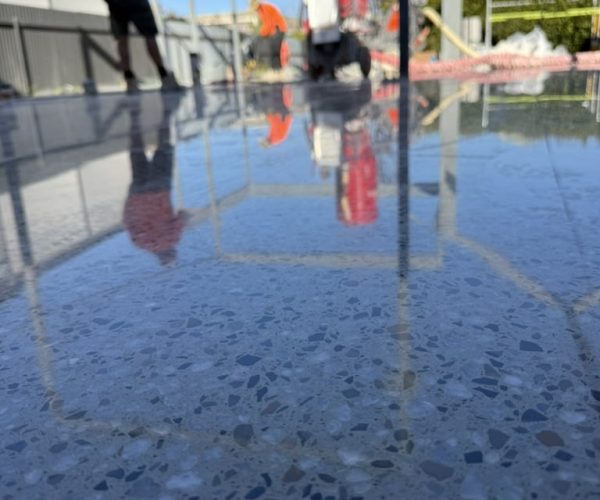
How to Maximise the Lifespan of Epoxy Flooring in Adelaide
Property owners can take practical steps to protect their flooring investment.
- Sweep regularly to prevent abrasive grit build-up
- Clean spills promptly to prevent chemical exposure
- Avoid dragging sharp metal objects across the surface
- Use protective pads beneath heavy equipment where possible
- Arrange inspection if noticeable wear develops
Correct installation combined with simple maintenance allows epoxy flooring to perform reliably for many years.
Is Epoxy Flooring a Long-Term Solution?
For many Adelaide properties, epoxy flooring represents a practical and durable surface solution when properly specified.
It protects the concrete slab, reduces dust, resists chemicals and simplifies cleaning. While no flooring system lasts indefinitely, epoxy provides predictable performance when matched to the intended environment.
The key factors remain surface preparation, system selection and professional installation.
Professional Epoxy Flooring in Adelaide
The lifespan of epoxy flooring ultimately depends on correct preparation, appropriate system thickness and suitability for the intended environment.
Vision Grind and Polish installs epoxy flooring across Adelaide using systems selected for South Australian conditions. Each project is assessed to ensure the flooring solution aligns with expected traffic and performance requirements.
If you are considering epoxy flooring and would like clarity on expected lifespan and system suitability, a professional assessment can help you make an informed decision.
Get Expert Advice on Epoxy Flooring in Adelaide
Planning a new epoxy floor or unsure whether your existing surface needs recoating? Speak with the team at Vision Grind and Polish for professional guidance tailored to your property and usage requirements.