
Getting your concrete floor ready for epoxy isn’t something you can rush. The preparation stage determines whether your epoxy flooring in Adelaide will last years or start failing within months. Poor surface prep accounts for most epoxy coating failures, which is why understanding what’s involved matters before you commit to the investment.
At Vision Grind and Polish, we’ve seen countless floors that needed repairs because shortcuts were taken during preparation. Here’s what proper concrete preparation involves and why each step protects your investm
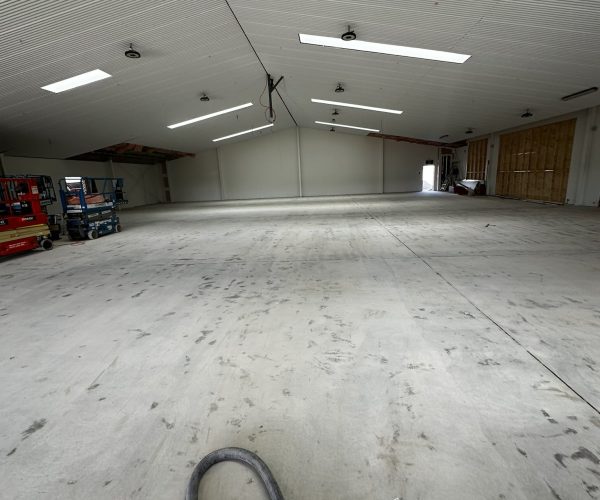
Why Surface Preparation Matters for Epoxy Flooring
Epoxy bonds through a chemical and mechanical connection with concrete. If the surface has contaminants, weak spots, or improper texture, the coating won’t adhere properly. You’ll end up with bubbling, peeling, or sections that lift away entirely.
Adelaide’s climate adds another consideration. Temperature fluctuations and humidity levels affect how concrete behaves and how epoxy cures. Proper preparation accounts for these local conditions to ensure your floor performs as expected.
Step 1: Assess the Concrete Condition
Before any grinding or coating happens, you need to understand what you’re working with. Is the concrete structurally sound? Are there cracks that need addressing? What about existing coatings or sealers?
- Check for moisture issues. Adelaide garages and warehouses can experience moisture transfer through concrete slabs, especially in older buildings. Moisture testing identifies whether additional barriers are needed before epoxy application.
- Identify contamination. Oil stains, chemical residues, and previous coatings all interfere with epoxy adhesion. These need complete removal, not just surface cleaning.
- Examine structural integrity. Cracks wider than hairline thickness require repair before coating. Moving or settling concrete will crack your epoxy coating regardless of how well it’s applied.
Step 2: Concrete Grinding Adelaide Creates the Right Profile
Concrete grinding removes surface contaminants and creates the texture profile epoxy needs to bond properly. This isn’t optional—it’s essential for long-term performance.
Diamond grinding equipment removes the top layer of concrete, exposing fresh aggregate and creating microscopic valleys that epoxy fills and locks into. The depth and pattern of this profile varies depending on the epoxy system being applied.
- Remove existing coatings completely. Previous sealers, paints, or failed epoxy must be ground away entirely. Partial removal leads to adhesion failure.
- Create uniform texture. The entire floor needs consistent surface preparation. Patchy grinding creates weak spots where delamination starts.
- Eliminate surface laitance. This weak concrete layer forms during pouring and must be removed to reach structurally sound material underneath.
Step 3: Repair Cracks and Surface Defects
Once grinding exposes the true condition of your concrete, cracks and defects become clearly visible. These need proper repair before any coating goes down.
- Fill cracks appropriately. Narrow cracks get filled with epoxy crack filler. Wider structural cracks may need routing and filling with flexible polyurethane to accommodate movement.
- Level low spots. Depressions and holes get filled with epoxy patching compound, creating a smooth, level surface for the final coating.
- Address spalling concrete. Areas where concrete has chipped or broken away need removal and rebuilding before coating application.
Step 4: Deep Clean and Remove All Dust
Grinding creates significant dust and debris that must be completely removed. Any particles left on the surface interfere with epoxy adhesion.
- Vacuum thoroughly. Industrial vacuums remove grinding dust from the concrete surface and surrounding areas. This includes cracks, expansion joints, and floor perimeters.
- Remove all contamination. Oil spots need degreasing with appropriate solvents. Chemical stains may require specific neutralising treatments.
- Ensure complete dryness. The concrete must be completely dry before epoxy application. Adelaide’s humidity levels mean this sometimes requires extended drying time, especially in enclosed spaces.
Step 5: Test Moisture Levels
Moisture testing confirms the concrete is dry enough for epoxy application. Trapped moisture causes blistering, bubbling, and coating failure.
- Use calcium chloride tests. These measure moisture vapour emission from the concrete slab over 24 hours, providing accurate readings for epoxy compatibility.
- Consider relative humidity testing. In-slab probes measure internal concrete moisture levels, essential for thick commercial slabs common in Adelaide warehouses.
- Allow proper drying time. If moisture levels exceed manufacturer specifications, additional drying time is necessary regardless of project timelines.
Step 6: Prime the Surface (When Required)
Some concrete conditions require primer application before the main epoxy coating. This isn’t always necessary, but certain situations demand it.
- Porous concrete benefits from primer. Older Adelaide concrete tends to be more porous, and primer seals the surface while improving adhesion.
- Highly alkaline concrete needs primer. Fresh concrete under six months old often requires primer to handle alkalinity levels that can affect epoxy curing.
- Primer improves penetration. It helps the main epoxy coating penetrate into concrete pores rather than sitting on top of the surface.
Common Preparation Mistakes to Avoid
We regularly repair floors where preparation was rushed or incomplete. These mistakes cost more to fix than doing it properly initially.
- Skipping moisture testing. Assuming concrete is dry enough leads to coating failure months later when trapped moisture finds its way out.
- Insufficient surface profile. Light cleaning instead of proper grinding leaves contamination and doesn’t create adequate texture for bonding.
- Ignoring temperature requirements. Applying epoxy outside manufacturer-specified temperature ranges affects curing and final hardness.
- Working around existing problems. Cracks, weak concrete, and structural issues only worsen under an epoxy coating unless properly addressed first.
Professional Preparation Benefits
Proper floor preparation requires specialised equipment and experience with different concrete conditions. Rental equipment doesn’t provide the same results as professional-grade concrete grinding Adelaide equipment.
Vision Grind and Polish handles preparation and application as an integrated process. We understand how Adelaide’s concrete behaves, what preparation techniques work best for different floor types, and how to identify potential problems before they affect your coating.
The preparation stage determines your epoxy floor’s lifespan and performance. Taking shortcuts here means paying twice when premature failure requires complete removal and reinstallation. Getting it right the first time protects your investment and ensures your Adelaide epoxy flooring delivers the durable, professional results you expect.