
Applying epoxy flooring over poorly prepared concrete is one of the main reasons epoxy coatings fail. Without proper grinding and levelling, even high-quality epoxy products can struggle to bond, leading to peeling, bubbling, and premature wear. If you are investing in epoxy flooring for your Adelaide home, garage, or commercial space, understanding the preparation process is essential to achieving long-lasting results.
At Vision Grind and Polish, we specialise in concrete grinding and epoxy flooring in Adelaide, delivering durable, seamless finishes built to perform. Proper surface preparation is the foundation of every successful epoxy floor.
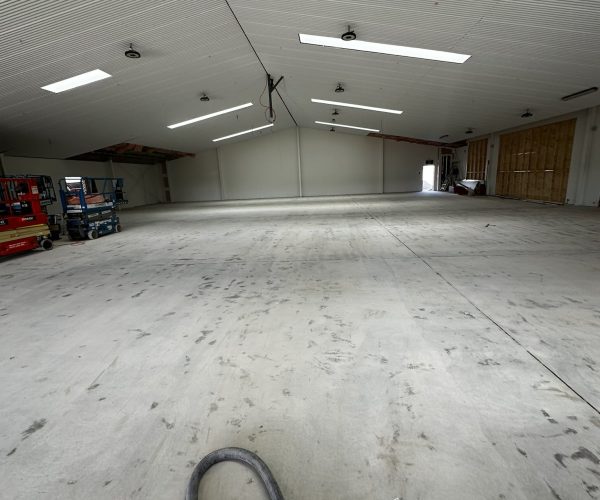
Why Concrete Preparation Is Essential for Epoxy Adhesion
Epoxy relies on a strong mechanical bond with the concrete surface. For this bond to form, the concrete must be clean, porous, and free of contaminants. Grinding removes oil, dirt, old coatings, sealers, and laitance, which is a weak surface layer that forms during concrete curing.
Without grinding, epoxy sits on top of these barriers rather than bonding to the structural concrete beneath. This significantly increases the risk of delamination and coating failure.
In Adelaide, concrete surfaces often accumulate dust, grime, and vehicle residue, particularly in garages and workshops. Even new concrete typically has a smooth finish that must be profiled before epoxy application. Professional concrete grinding creates the surface texture needed for epoxy to penetrate and lock into the concrete.
The Role of Concrete Grinding in Epoxy Preparation
Concrete grinding uses diamond tooling to remove the top layer of concrete and create an open pore structure. This process delivers several critical outcomes for epoxy flooring.
- Removes contaminants such as oil, grease, sealers, paint, and previous coatings.
- Creates the correct surface profile so epoxy can bond effectively without excessive product build-up.
- Opens concrete pores, allowing epoxy to penetrate and form a durable bond.
- Reveals cracks, spalling, and surface defects that require repair before epoxy installation.
By exposing the true condition of the concrete, grinding ensures problems are addressed before they compromise the epoxy system.
Why Levelling Matters for Epoxy Flooring
Grinding prepares the surface, while levelling corrects unevenness in the concrete slab. Many Adelaide properties, particularly older homes and commercial buildings, have floors with dips, high spots, and slopes that affect epoxy performance.
Uneven concrete causes epoxy to pool in low areas and spread thinly over high spots. This leads to inconsistent coating thickness, reduced durability, and visual imperfections.
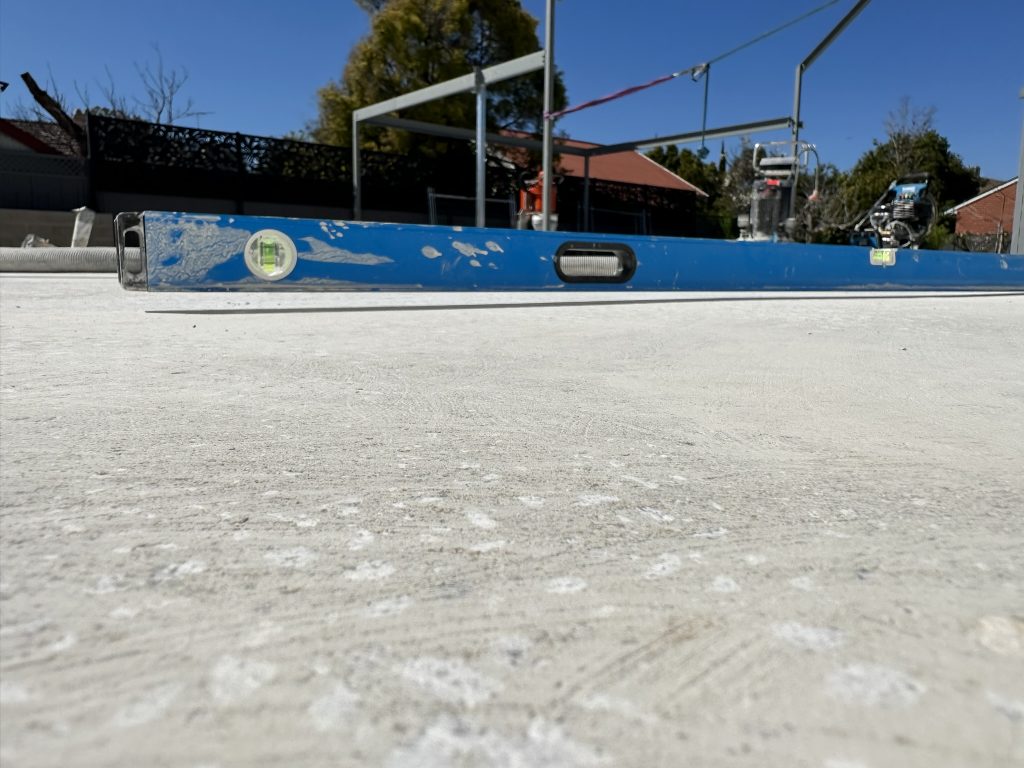
Levelling improves the appearance of epoxy finishes, especially decorative or clear coatings where surface irregularities are more visible. It also enhances safety and usability by reducing trip hazards and improving the movement of vehicles and equipment.
By creating a flat, consistent surface, levelling helps epoxy coatings cure evenly and last longer.
Common Concrete Issues That Require Preparation
Concrete floors in Adelaide often present conditions that make professional grinding and levelling essential.
- Existing coatings and sealers must be fully removed to avoid adhesion failure.
- Oil and chemical contamination, particularly in garages and workshops, often penetrates deep into the concrete and requires mechanical removal.
- Cracks, surface damage, and spalling must be repaired before epoxy application to prevent future deterioration.
- Settlement and slope issues in older slabs may require levelling compounds to achieve a uniform surface.
Each of these issues affects how well epoxy bonds and performs over time.
The Professional Concrete Preparation Process
Effective epoxy flooring preparation involves a structured, technical process.
- Initial assessment identifies contamination, damage, moisture levels, and surface condition.
- Concrete grinding removes the surface layer and achieves the correct profile for epoxy bonding.
- Crack and damage repair stabilises the slab and prevents defects from telegraphing through the coating.
- Levelling compounds are applied where required to correct unevenness while maintaining surface porosity.
- Final cleaning removes dust and debris that could compromise adhesion.
- Moisture testing is conducted to ensure the concrete is suitable for epoxy application, particularly important in Adelaide’s climate.
Each step plays a role in ensuring the epoxy system performs as intended.
What Happens When Preparation Is Skipped
Skipping preparation almost always results in epoxy failure.
- Delamination occurs when epoxy lifts from the concrete due to poor adhesion.
- Bubbling and blistering develop when moisture, air, or contaminants are trapped beneath the coating.
- Uneven finishes occur when stains, defects, or surface irregularities show through the epoxy.
- Premature wear develops when epoxy is applied to unstable or contaminated surfaces.
In most cases, failed epoxy must be completely removed and reinstalled with proper preparation, making shortcuts far more expensive in the long run.
Professional Concrete Grinding and Epoxy Flooring in Adelaide
Professional preparation requires specialised equipment, technical expertise, and experience with a wide range of concrete conditions. Vision Grind and Polish uses commercial-grade grinding equipment and proven methods to prepare concrete surfaces for epoxy flooring across Adelaide.
We assess each floor individually and tailor the preparation process to suit the condition of the concrete and the intended use of the space. Whether you are installing epoxy flooring in a residential garage, commercial showroom, or industrial facility, proper preparation ensures durability, performance, and a high-quality finish.