
Automotive workshop flooring has to cope with conditions that are very different from those in a typical residential or light commercial space. Vehicle traffic, oils and fluids, dropped tools, heavy equipment and regular cleaning all place demands on the floor.
For workshop owners in Adelaide, choosing the right flooring isn’t simply about appearance. The surface needs to suit how the workshop operates, provide a practical working environment and be straightforward to maintain.
The condition of the existing concrete also matters. Even a good flooring system can perform poorly if the slab underneath hasn’t been properly assessed and prepared.
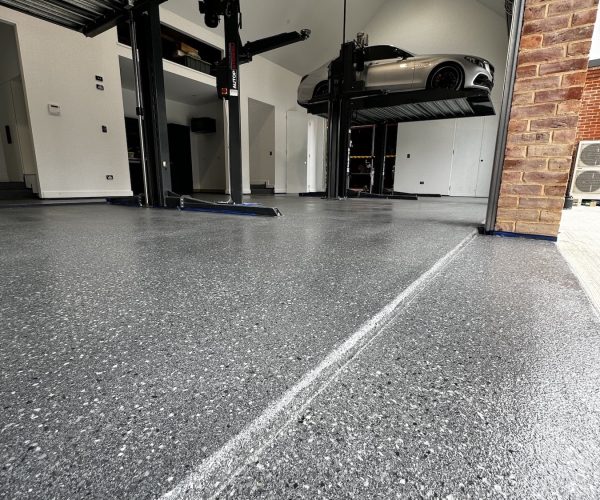
What Does an Automotive Workshop Floor Need?
There isn’t one flooring solution that suits every automotive business. A mechanical workshop, tyre shop, detailing business and panel shop can all place different demands on the floor.
Some of the main factors to consider include:
- Durability – The surface needs to cope with regular vehicle and equipment movement.
- Resistance to spills – Oils, coolants, cleaning products and other workshop fluids should be considered when selecting the flooring system.
- Slip resistance – The required finish will depend on how the area is used and whether water or other liquids are regularly present.
- Cleaning and maintenance – A surface that is easy to clean can make day-to-day workshop maintenance simpler.
- Visibility – Floor colour and finish can affect how easily spills, dirt and dropped components can be seen.
Looking at these requirements first makes it easier to choose a flooring system based on how the workshop actually operates rather than simply choosing a product.
The Limitations of Bare Concrete
Bare concrete is common in workshops, but it can become difficult to maintain over time. Concrete is porous, so oils and other liquids can penetrate an unprotected surface and leave staining that can be difficult to remove.
Wear can also contribute to surface dust, while smooth or contaminated areas may become slippery when wet or oily. These issues can be particularly noticeable in busy workshops where the floor is exposed to regular traffic and spills.
Depending on the condition of the slab and how the space is used, grinding, polishing,
When Epoxy Flooring May Be Suitable
Epoxy is one option commonly considered for automotive workshop flooring because it can provide a seamless and easy-to-clean surface when the system is correctly specified and installed.
Depending on the products and finish selected, a commercial epoxy flooring system can offer:
- Resistance to many common workshop spills and chemicals
- A surface that is easier to clean than untreated concrete
- Different levels of slip resistance to suit the working area
- A range of colours and finishes
- A hard-wearing surface suitable for many commercial environments
The important point is that the flooring system needs to be matched to the workshop. Product selection, expected traffic, existing slab condition and preparation all affect how the finished floor will perform.
Concrete Preparation Is an Important Part of the Job
Before applying a coating or carrying out other concrete flooring work, the existing slab needs to be assessed.
Old oil contamination, cracks, previous coatings, uneven areas and moisture issues can all affect the finished result. Simply applying a new coating over an unsuitable surface can lead to problems such as poor adhesion, peeling or premature failure.
Professional concrete grinding can be used to remove existing surface contaminants and coatings and prepare the concrete for the selected flooring system. Cracks or damaged areas may also need to be repaired before further work is completed.
This is why floor preparation should be considered as part of the flooring specification rather than as a separate or optional step.
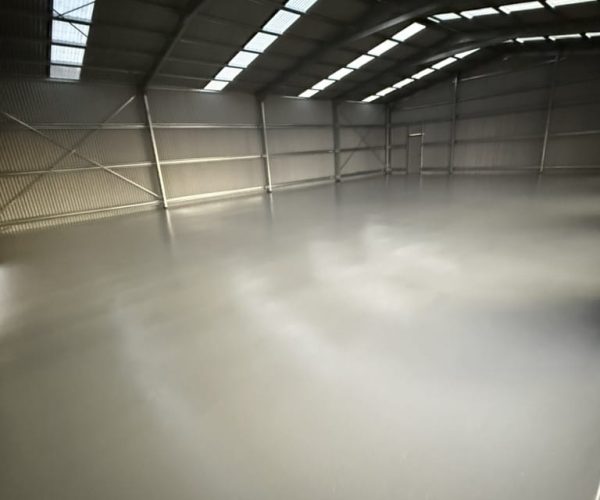
Matching the Floor to Your Workshop
The best flooring choice will depend on the type of work being carried out and the demands placed on different areas of the workshop.
A mechanical workshop may prioritise durability, spill resistance and easy cleaning. A detailing area may place greater importance on appearance and lighting. High-traffic areas may require additional wear and slip resistance.
Different areas of the same workshop may also have different requirements, so it can be useful to assess the complete space rather than applying the same finish everywhere without considering how each area is used.
Colour is another practical consideration. Lighter finishes can improve visibility and make spills easier to identify, while darker finishes may hide some everyday marks and dirt.
Planning Your Workshop Flooring Project
Before choosing a flooring system, consider the condition of the existing concrete, vehicle and equipment traffic, likely spills, cleaning requirements and how much downtime is available for installation.
A professional assessment can help determine what preparation is required and which flooring options are appropriate for the space.
Vision Grind and Polish provides concrete preparation, grinding, polishing and epoxy flooring solutions for commercial properties across Adelaide. This allows the flooring approach to be considered from the condition of the existing slab through to the final finish.
Choosing the Right Flooring for Your Workshop
Good automotive workshop flooring should make the space easier to work in, maintain and keep clean while standing up to the demands of everyday use.
Rather than choosing a floor based on one product or price alone, start with how the workshop operates and the condition of the existing concrete. From there, the flooring system can be selected and prepared to suit the space.