
Polished concrete has become a popular flooring option across Adelaide for its clean look and low maintenance. However, it’s not always the right solution for every property or situation. Understanding where it falls short helps you make a more informed decision.
Vision Grind and Polish works with a wide range of Adelaide properties and takes a practical approach. In some cases, polished concrete is the best option. In others, a different finish will perform better over time.
Climate and Environmental Limitations
Adelaide’s climate can affect how polished concrete performs, particularly in exposed areas.
Outdoor spaces or areas with direct sun and weather exposure are more challenging. Temperature changes cause concrete to expand and contract over time, which can place stress on the surface. While this is normal behaviour for concrete, it can affect the long-term appearance of a polished finish in exposed environments.
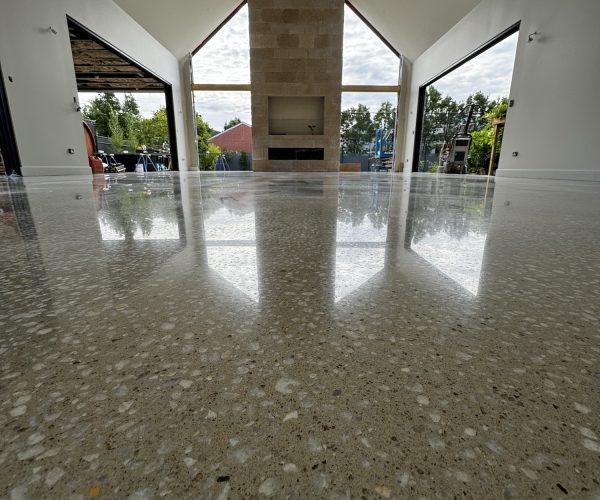
Strong sunlight can also affect how the floor looks. In some cases, colour treatments may fade over time, and the reflective surface can create glare in bright conditions. These factors are worth considering in areas with large windows or full sun exposure.
When the Existing Concrete Is Not Suitable
The condition of the existing slab plays a major role in whether polished concrete is a good option.
Concrete with significant cracking, surface damage, or structural issues may not be suitable without extensive repair work. While small imperfections can add character, larger defects will remain visible and may affect the final result.
New concrete also needs time to cure properly before polishing. Rushing this process can lead to a weaker surface and reduce the lifespan of the finish.
In some cases, contamination from previous coatings, adhesives, or chemicals can interfere with the polishing process. Removing these materials can be costly and may not always guarantee a consistent result.
Functional Requirements That May Not Suit Polished Concrete
Some environments require flooring properties that polished concrete does not always provide.
Slip resistance is one of the main considerations. A high-gloss finish can become slippery when wet, which makes it less suitable for areas such as pool surrounds, bathrooms, or outdoor entertaining spaces. Lower-sheen or alternative finishes may be more appropriate in these locations.
Temperature is another factor. Polished concrete can feel cold underfoot during Adelaide winters, particularly in homes without good heating. While this can be managed, it may not suit every household.
Noise is also worth considering. Hard surfaces reflect sound rather than absorb it, which can make open-plan spaces feel louder. Homes or workplaces where noise control is important may benefit from softer flooring options.
Budget and Project Constraints
Polished concrete is generally a long-term investment, but it does require upfront planning.
The installation process involves several stages, including grinding, densifying, and polishing. This takes time and may not suit projects with tight deadlines.
For smaller areas, the cost of setup and labour can make polished concrete less practical. In these cases, other flooring options may provide better value for money.
Style and Design Considerations
Polished concrete has a distinct look that doesn’t suit every space.
Its clean, modern appearance works well in contemporary homes and commercial environments. However, it may not suit more traditional or classic interiors, where warmer materials such as timber or textured finishes are preferred.
Colour options are also more limited compared to other flooring types. While staining and dyeing can add variation, it does not offer the same range as tiles or timber flooring.
Maintenance and Long-Term Expectations
Polished concrete is low maintenance, but not maintenance-free.
Over time, high-traffic areas may lose some of their shine and benefit from maintenance such as burnishing or reapplication of protective treatments. This is usually straightforward but still needs to be considered.
The surface can also be affected by certain substances. Acidic materials or harsh chemicals may mark the finish if not cleaned promptly.
Alternatives That May Be More Suitable
In situations where polished concrete is not the best fit, other flooring options may perform better.
Epoxy flooring provides strong chemical resistance and flexible finish options, making it suitable for garages and commercial spaces.
Decorative overlays can achieve a similar look to polished concrete while working over existing slabs that are not ideal for polishing.
Traditional flooring materials such as tiles, timber, vinyl, or carpet can also be better suited depending on the space and how it is used.
Choosing the Right Flooring for Your Property
The best flooring choice depends on how the space will be used, the condition of the existing concrete, and the overall design of the property.
Polished concrete performs well in many Adelaide homes and businesses, but it is not the right solution in every case. Understanding its limitations helps you avoid issues and choose a finish that will last.
Vision Grind and Polish works with Adelaide property owners to assess each space and recommend practical flooring solutions based on real conditions, not just appearance.